How to create a lean-to shed with added shelving and hooks for tools

Constructing a Lean-To Shed with Integrated Storage

This document provides a comprehensive guide to the design and construction of a lean-to shed, incorporating integrated shelving and tool hanging systems. The design prioritizes efficiency, cost-effectiveness, and practicality, emphasizing a lean approach to material usage and construction techniques. Careful planning and attention to detail are crucial for a successful outcome.

Phase 1: Planning and Design

Site Selection and Assessment

The initial step involves selecting an appropriate location for the lean-to shed. Consider factors such as: proximity to existing structures (for easy access to utilities or existing foundations), prevailing wind direction (to minimize wind loading on the structure), sunlight exposure (for natural ventilation and light), and ground conditions (to determine the need for site preparation). A level site is highly recommended to simplify the foundation construction. Thorough site assessment, including soil testing, is crucial, especially in areas prone to flooding or high winds.

Dimensions and Material Selection

Determine the required dimensions of your lean-to shed based on the intended storage capacity. Consider the footprint, height, and roof pitch. A steeper roof pitch will enhance drainage and snow shedding in colder climates. Choose appropriate materials that balance cost, durability, and aesthetic appeal. Common materials include pressure-treated lumber for framing, plywood for sheathing, and asphalt shingles for roofing. Consider using recycled or sustainably sourced materials wherever possible to minimize environmental impact.

Detailed drawings, including scaled plans and elevations, are strongly recommended. These drawings should clearly indicate the dimensions of all components, the placement of the shelving and hooks, and the structural details of the roof and walls. Software such as SketchUp or AutoCAD can be utilized to create detailed plans, minimizing errors during construction.

Foundation Design

The foundation choice depends on the soil conditions and the intended load-bearing capacity of the shed. A simple concrete slab foundation provides stability and durability, especially on unstable ground. Alternatively, a compacted gravel base can suffice for lighter structures on stable ground. Ensure the foundation is level and properly graded to prevent water accumulation around the shed's base. Consider incorporating a moisture barrier between the foundation and the shed's framing to prevent rot and pest infestation.

Phase 2: Construction of the Shed Frame

Framing the Walls and Roof

Construct the wall framing using pressure-treated lumber, ensuring proper alignment and squareness. Use appropriate fasteners (nails or screws) for secure connections. The wall framing should be anchored securely to the foundation. The roof framing will typically involve rafters supported by wall plates and potentially ridge boards. The roof design should ensure adequate drainage, taking into account the local climate and potential for snow accumulation. Precise cutting and accurate measurements are essential to ensure the structural integrity of the roof.

Sheathing and Roofing

Once the framing is complete, apply sheathing to the walls and roof. Plywood is a commonly used sheathing material due to its strength and ease of installation. Ensure proper alignment and secure fastening. Install roofing material according to manufacturer's instructions. Proper ventilation is essential to prevent moisture buildup within the shed. This can be achieved through vents at the ridge and/or soffits. Ensure that the roofing material is properly sealed to prevent leaks.

Door and Window Installation (Optional)

If desired, incorporate a door and/or windows into the shed design. Ensure proper framing and installation to guarantee weather tightness and structural integrity. Consider using high-quality hardware for durability and longevity. The door should be robust enough to withstand the forces imposed on it, and the window should be weather resistant.

Phase 3: Integrating Storage Solutions

Shelving Design and Installation

Plan the shelving layout considering the types and sizes of items to be stored. Use sturdy shelving materials such as plywood or melamine-coated particleboard. Ensure that the shelving is securely anchored to the wall framing to prevent collapse. Consider adjusting shelf height and spacing to optimize storage capacity. Properly bracing the shelves is essential to prevent sagging under heavy loads.

Tool Hanging System

Integrate a tool hanging system utilizing hooks, pegboards, or magnetic strips. Strategically position the hanging system to ensure easy access and organization. Use high-quality hooks and fasteners capable of supporting the weight of the tools. Consider using different types of hooks for different tools, such as large hooks for heavier tools and smaller hooks for lighter items. A well-organized tool hanging system increases efficiency and saves valuable time.

Work Surface Integration (Optional)

Consider incorporating a work surface within the lean-to shed. This could involve a simple countertop or a more elaborate workbench. Ensure that the work surface is securely supported and capable of withstanding the intended workload. The work surface should be positioned to maximize workspace and accessibility.

Phase 4: Finishing Touches

Exterior Finishing

Apply an appropriate exterior finish to the shed's walls and trim. This might include paint, stain, or a sealant to protect the wood from weathering and pests. Choose a finish that complements the existing structures and enhances the overall aesthetic appeal. Proper preparation of the surface is crucial for achieving a durable and attractive finish.

Interior Finishing

Finish the interior walls and floor as desired. This may include painting, applying a protective sealant, or adding additional insulation for better climate control. Consider the intended use of the shed when selecting interior finishes. Ensure the interior is clean and well-lit to enhance usability and safety.

Phase 5: Safety Considerations

Throughout the construction process, adhere to all relevant safety regulations and guidelines. Use appropriate safety equipment such as safety glasses, gloves, and hearing protection. Ensure proper ventilation when working with paints, stains, or other potentially harmful materials. Dispose of construction waste responsibly, adhering to local regulations.

By meticulously following these steps, you can successfully construct a lean-to shed with integrated storage, offering a functional and aesthetically pleasing addition to your property. Remember, proper planning and execution are crucial for a long-lasting and practical structure.

Share:

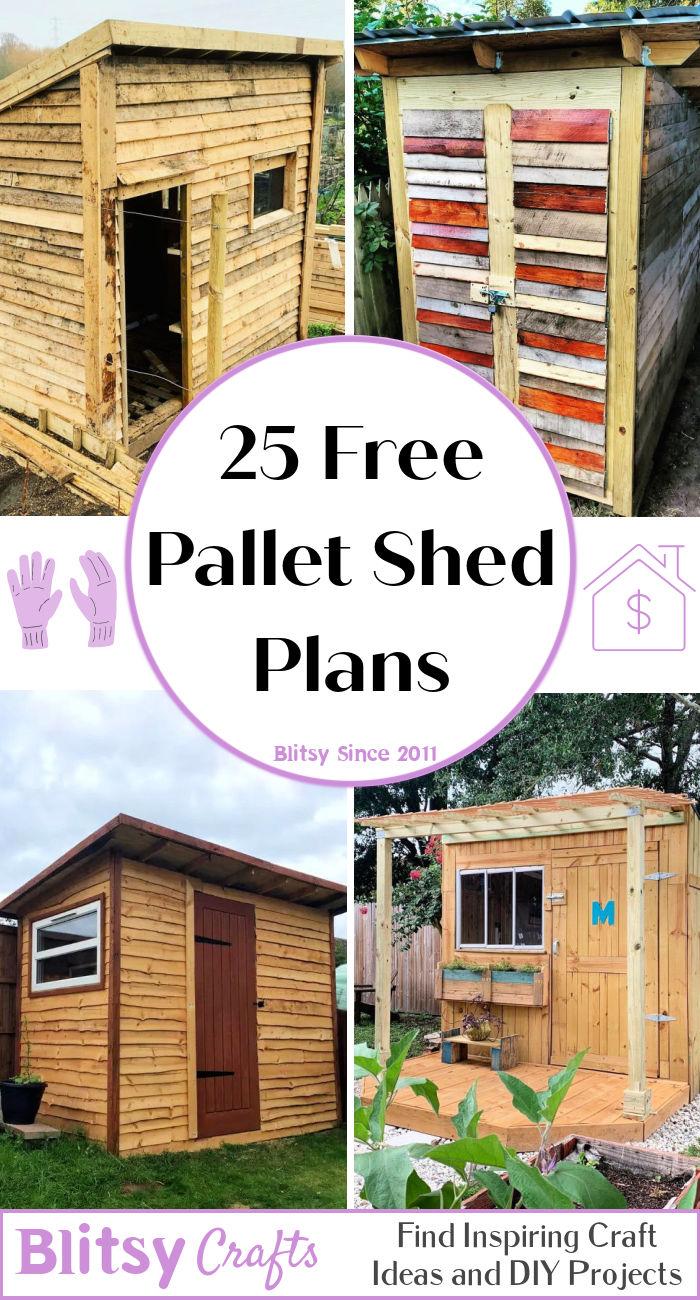
Download easy-to-follow free pallet shed construction plans

Constructing a Pallet Shed: A Comprehensive Guide to Free, Accessible Plans

This document provides a detailed, step-by-step guide to constructing a shed using reclaimed pallets. While free plans are readily available online, ensuring structural integrity and safety requires careful planning and execution. This guide aims to bridge the gap between readily accessible plans and the practical considerations necessary for a successful build.

I. Sourcing and Assessing Pallets

A. Pallet Selection and Acquisition

The foundation of a successful pallet shed lies in the quality of the pallets used. Not all pallets are created equal. Prioritize pallets that are sturdy, free from significant rot, insect infestation, and warping. Look for pallets constructed from heat-treated lumber (HT), indicated by an IPPC stamp, rather than chemically treated lumber (MB), which may pose health risks. Avoid pallets with broken or severely damaged boards.

Several avenues exist for acquiring free pallets:

  • Local businesses: Grocery stores, warehouses, and distribution centers often discard pallets. Inquire politely about their disposal practices and if they are willing to donate usable pallets.
  • Online classifieds: Websites and apps dedicated to classified ads frequently feature free or inexpensive pallet offerings.
  • Construction sites: While less likely to offer free pallets, construction sites might have damaged pallets suitable for less critical parts of the shed.
  • Recycling centers: Some recycling centers accept pallets and may offer them for free or at a nominal cost.

B. Pallet Inspection and Preparation

Once you have acquired your pallets, a thorough inspection is crucial. Carefully examine each pallet for signs of damage, including rot, cracks, loose nails, and insect infestation. Replace or repair any damaged components before proceeding with construction. Remove any loose nails and staples that could pose safety hazards. Consider using a wire brush to remove loose debris and dirt from the wood.

II. Shed Design and Planning

A. Choosing a Shed Design

Numerous free pallet shed plans are available online. However, it's vital to choose a design that aligns with your skill level, available tools, and the number of pallets you have acquired. Simpler designs are generally recommended for beginners. Consider factors such as the desired size, features (e.g., shelving, windows), and overall aesthetic.

B. Material Quantity Estimation

Before commencing construction, accurately estimate the number of pallets required. This requires careful analysis of the chosen plan and a realistic assessment of the condition of the acquired pallets. It's better to have a surplus than to run short mid-construction. Consider the potential need for additional lumber to reinforce weaker areas or replace severely damaged sections.

C. Tool and Equipment Checklist

Gathering the necessary tools beforehand will streamline the construction process. Ensure you have the following:

  • Measuring tape
  • Level
  • Hammer
  • Screwdriver (or drill with screwdriver bits)
  • Saw (hand saw or circular saw)
  • Safety glasses
  • Work gloves
  • Crowbar or pry bar (for separating pallets)
  • Nails or screws
  • Optional: Power drill, nail gun

Remember that safety is paramount. Always wear appropriate safety gear while working with tools and building materials.

III. Construction Process

A. Foundation Preparation

A solid foundation is crucial for stability. While some pallet shed designs may utilize a simple ground base, consider a more robust foundation, such as a concrete slab or a compacted gravel base, for improved longevity and protection from moisture. This will also level the shed and prevent sinking.

B. Frame Assembly

Begin by assembling the main frame of the shed according to your chosen plan. Carefully measure and cut any necessary pallet components. Use screws instead of nails for a more secure and durable connection. Ensure the frame is square and level throughout the assembly process.

C. Wall Construction

Construct the walls by attaching the pallets to the frame. Ensure proper spacing between pallets to allow for ventilation. Consider using additional bracing to strengthen the walls, especially in areas subjected to higher winds or loads. Fill any significant gaps between pallets with appropriate sealant to prevent moisture ingress.

D. Roof Construction

The roof construction will depend on your chosen design. Some plans utilize a simple gable roof, while others might incorporate a more complex design. Ensure the roof is adequately pitched to facilitate water runoff. Use weather-resistant materials, such as tarps or roofing felt, to protect the shed from the elements.

E. Finishing Touches

Once the main structure is complete, add finishing touches such as doors, windows (if included in the plan), and any internal shelving. Apply a weather-resistant sealant or paint to protect the wood from rot and insect damage. This will extend the lifespan of your shed.

IV. Safety Considerations

Throughout the construction process, prioritize safety. Always wear appropriate safety gear, including safety glasses and work gloves. Use caution when working with tools and power equipment. Ensure the work area is well-lit and free of obstacles. Consider asking for assistance with lifting and moving heavy pallet components. Inspect the completed shed for any potential hazards before use.

By carefully following these steps and selecting appropriate free plans, you can successfully construct a functional and aesthetically pleasing pallet shed. Remember that proper planning, attention to detail, and a focus on safety are essential for a successful outcome.

Share:

How to Build a Wood Pallet Shed: A Unique, Low-Cost Backyard Solution

How to Build a Wood Pallet Shed: A Unique, Low-Cost Backyard Solution

Tired of clutter overflowing your garage or taking up precious space in your home? Yearning for a stylish and functional storage solution without breaking the bank? Look no further! This guide provides a step-by-step walkthrough on constructing a charming and surprisingly sturdy shed using reclaimed wood pallets. Forget expensive pre-fabricated structures; you can create a unique, personalized storage space with materials readily available and a weekend’s worth of effort.

Planning Your Pallet Shed Project

Before you dive into hammering and sawing, careful planning is crucial. Begin by determining the desired dimensions of your shed. Consider the amount of storage space you need and the available area in your backyard. Sketch a simple design, noting the placement of doors, windows (if desired), and any internal shelving. Next, source your pallets. Inspect them thoroughly for any signs of rot, pest infestation, or significant damage. Aim for pallets of similar dimensions to simplify construction. Remember, safety first! Always wear appropriate safety gear, including gloves, safety glasses, and sturdy work boots.

Gathering Your Materials and Tools

Beyond the pallets, you'll need additional materials. This includes: strong screws or bolts (consider galvanized for weather resistance), pressure-treated lumber for the base and framing (to prevent rot), roofing material (tar paper, shingles, or even heavy-duty plastic sheeting), and paint or sealant to protect the wood. Essential tools include a hammer, screwdriver (or drill with appropriate bits), saw (circular saw is ideal), measuring tape, level, and possibly a post hole digger for setting the base.

Consider these extra touches for an even more finished look:

  • Exterior hinges and a latch for the door.
  • Interior shelving made from additional pallets or lumber.
  • Window frames and glass (if desired).
  • Exterior paint to match your home's style.

Constructing the Shed's Foundation

A strong foundation is paramount. Dig a level base slightly larger than your planned shed dimensions. Use pressure-treated lumber to build a frame within this base, ensuring it's perfectly level. This frame will provide a stable platform for your pallet walls. Secure the frame using strong screws or bolts. Consider adding gravel or concrete for extra stability, especially if your soil is soft or prone to shifting. A level foundation will prevent future issues with the shed's structure and alignment.

Building the Pallet Walls

With the foundation complete, begin constructing the walls. Carefully disassemble the pallets, separating the usable planks. Inspect each plank for stability and discard any damaged or rotten pieces. You can build the walls directly on the foundation using the reclaimed planks, creating a rustic aesthetic. Alternatively, build individual wall frames from pressure-treated lumber and then attach the pallet planks to these frames for added strength and a more consistent appearance. Ensure the walls are plumb and square, using a level to check for alignment.

Roofing and Finishing Touches

Once the walls are securely in place, it's time to build the roof. You can opt for a simple gable roof or a more complex design, depending on your carpentry skills and desired aesthetic. Use pressure-treated lumber for the roof frame, ensuring it's securely attached to the top of the walls. Cover the frame with your chosen roofing material, ensuring it’s watertight to protect the contents of your shed. Finally, add the finishing touches: attach the door, install any windows, and paint or seal the wood to enhance its durability and appearance. Consider adding a weather vane or other decorative elements to personalize your unique pallet shed.

Enjoy Your New Backyard Storage Solution!

Congratulations! You've successfully built your own unique and budget-friendly pallet shed. This project showcases the potential of repurposed materials and provides a satisfying sense of accomplishment. Enjoy the extra storage space and the pride of creating something beautiful and functional with your own two hands. Remember to regularly inspect your shed for any signs of wear and tear and perform necessary maintenance to keep it in tip-top shape for years to come.

Share:

Learn how to construct a shed step by step

Constructing a Garden Shed: A Comprehensive Guide

Constructing a garden shed is a rewarding project that can enhance the functionality and aesthetic appeal of your property. This comprehensive guide details the step-by-step process, from initial planning to final finishing touches, enabling even novice builders to successfully complete this undertaking. Careful planning and attention to detail are crucial for a durable and aesthetically pleasing structure.

Phase 1: Planning and Preparation

1.1 Site Selection and Preparation:

The first step involves meticulous site selection. Consider factors such as proximity to utilities, accessibility for material delivery, and sun exposure. Ensure the chosen location is level and allows for adequate drainage to prevent water accumulation around the shed's foundation. Clear the area of vegetation, debris, and any potential obstructions. A level ground is paramount; use a spirit level and adjust the ground accordingly by adding or removing soil as needed. This foundational leveling will prevent structural issues in the future.

1.2 Shed Design and Material Selection:

Decide on the shed's dimensions, style, and features. Consider factors like storage needs, desired aesthetic, and available budget. Numerous pre-fabricated shed kits are available, simplifying the construction process. Alternatively, you can opt for a custom design, offering greater flexibility but requiring more planning and potentially greater expense. Material selection is critical; common choices include pressure-treated lumber for its durability and resistance to rot and decay, plywood for sheathing, and asphalt shingles for roofing. Consider the local climate when choosing materials; materials suitable for harsh winters might differ from those ideal for consistently warm climates.

1.3 Obtaining Necessary Permits:

Before commencing any construction, it is imperative to check with your local authorities regarding building permits and regulations. Permit requirements vary by location and the size and complexity of the shed. Failing to obtain the necessary permits can result in fines or even demolition orders. The permit application will likely require detailed plans of your shed's design, including dimensions and material specifications.

1.4 Gathering Tools and Materials:

Compile a comprehensive list of tools and materials necessary for construction. This list should include, but is not limited to: measuring tape, spirit level, saw (circular saw or hand saw), hammer, drill, screwdriver, nails, screws, lumber, plywood, roofing materials, concrete mix (for a concrete base), and any necessary hardware for assembling the shed's components. A detailed list, meticulously checked against your design, will prevent delays during construction.

Phase 2: Foundation Construction

2.1 Base Preparation:

A sturdy foundation is essential for a stable and long-lasting shed. The type of foundation will depend on the shed's size and the soil conditions. A concrete slab provides the most stable base, while a gravel base offers a simpler, less expensive alternative for smaller sheds. Mark the shed's dimensions on the prepared ground and excavate to the desired depth. For a concrete slab, create a formwork to contain the concrete. For a gravel base, level the ground and compact the gravel thoroughly to prevent settling.

2.2 Concrete Slab Pour (if applicable):

If opting for a concrete slab foundation, mix the concrete according to the manufacturer's instructions. Pour the concrete into the formwork, ensuring it is evenly distributed and level. Use a screed to level the surface and allow the concrete to cure for several days before proceeding to the next stage. Proper curing is crucial for achieving maximum strength and durability of the concrete base.

2.3 Gravel Base Construction (if applicable):

For a gravel base, spread a layer of compacted gravel, approximately 4-6 inches thick. Level the gravel carefully using a rake and a spirit level. This provides a stable and relatively level surface for the shed's base. The thickness of the gravel layer might need adjustment based on soil conditions and local regulations.

Phase 3: Shed Assembly

3.1 Floor Framing:

Construct the floor frame according to your plans. This typically involves laying down pressure-treated lumber joists, spaced evenly apart and secured to the foundation using appropriate fasteners. Ensure that the joists are level and aligned to create a stable base for the floor sheathing. Proper spacing and secure fastening are crucial to preventing floor sagging over time.

3.2 Wall Framing:

Construct the wall frames using pressure-treated lumber. Ensure that the frames are square and plumb, using a spirit level and square to check for accuracy. Follow the manufacturer's instructions if using a pre-fabricated kit. The accuracy of the wall framing is crucial for the structural integrity of the shed.

3.3 Wall Sheathing and Roofing:

Once the wall frames are erected, attach the sheathing (typically plywood). This provides a solid surface for the exterior cladding and adds structural rigidity. Next, construct the roof frame, ensuring it is properly aligned and adequately supported. Install the roofing material, following the manufacturer's instructions and ensuring proper overlap for waterproofing. Roofing is a crucial aspect of shed protection from the elements.

3.4 Door and Window Installation:

Install the doors and windows, ensuring they are properly aligned and securely fastened. Use appropriate weather stripping to ensure a good seal against drafts and moisture. Check the functionality of the doors and windows after installation to verify correct operation.

3.5 Exterior Cladding and Finishing:

Install the exterior cladding, ensuring it is properly aligned and securely fastened. Apply any necessary sealant to protect against moisture. Finish the exterior with paint or stain, if desired, to enhance the shed's appearance and protect the wood from the elements. This final step adds both protection and aesthetic appeal.

Phase 4: Interior Finishing

Once the exterior is complete, focus on the interior finishing. This might involve installing shelves, adding lighting, and painting the interior walls. Consider your storage needs and plan the interior layout accordingly. A well-organized interior will maximize the shed's storage capacity.

Phase 5: Final Inspection and Cleanup

Conduct a final inspection to ensure all aspects of the construction are satisfactory. Address any defects or imperfections before considering the project complete. Finally, clean up the construction site, removing all debris and waste materials. A thorough final inspection ensures both structural soundness and aesthetic appeal.

By carefully following these steps and paying close attention to detail, you can successfully construct a durable and aesthetically pleasing garden shed that will serve you well for many years to come. Remember, safety is paramount throughout the entire construction process. Always wear appropriate safety gear, such as safety glasses and gloves, and use caution when operating power tools.

Share:

Step-by-step backyard loft shed plans

Building Your Dream Backyard Loft Shed: A Step-by-Step Guide

Hey there, fellow DIY enthusiasts! So you're thinking about building a backyard loft shed? Awesome! It's a fantastic project that combines practicality with a touch of that satisfying "I built this myself" pride. This guide will walk you through the entire process, from initial planning to the final celebratory beer (or sparkling cider!). We'll keep it conversational, like we're chatting over coffee, and I promise, even if you've never picked up a hammer before, you can do this.

Phase 1: Planning & Preparation â€" Laying the Foundation (Literally!)

1. Dreams, Designs, and Permits: Oh My!

Before you even think about touching a tool, let's get the planning down. First, what's your vision? A cozy writing nook? A workshop for your hobbies? Storage for all those "someday I'll use this" items? Sketch it out, browse online for inspiration, and find pictures of sheds you like. This helps you visualize the finished product. Next, you'll need to check your local building codes and possibly obtain permits. This might seem like a hassle, but it's crucial to avoid any future headaches. Believe me, it's much easier to get the permits beforehand than to deal with the consequences later.

2. Location, Location, Location!

Where will your masterpiece reside? Consider factors like sunlight (for natural light), access to utilities (if needed), proximity to your house (for convenience), and local regulations regarding setbacks (how far from property lines you need to build). Also, think about the ground â€" is it level? You might need to do some leveling before you even start laying the foundation.

3. Material Selection: The Heart of the Matter

Choosing your materials is key. Pressure-treated lumber is a great choice for the framing, as it's resistant to rot and insects. For siding, you have tons of options: vinyl, wood, metal… the possibilities are endless! Think about your budget and aesthetic preferences. Don't forget about the roofing material â€" asphalt shingles are popular and relatively inexpensive. And finally, let's not forget the foundation! Concrete is sturdy but requires more work, while a gravel base is simpler but might not be as durable.

Phase 2: Construction â€" Getting Your Hands Dirty

1. Foundation Fundamentals

Whether you opt for a concrete slab or a gravel base, ensuring a level and stable foundation is paramount. If using concrete, make sure to pour it accurately according to your plans. If using gravel, compact it thoroughly to prevent settling. This is the base of your entire structure, so don't rush this step!

2. Framing the Future

This is where the fun (and potentially the sweat) begins! Following your plans meticulously, start framing the walls, floor, and roof. Use appropriate fasteners (nails, screws) and ensure everything is square and plumb (perfectly vertical and horizontal). Take your time, double-check your measurements, and don't be afraid to ask for help if you're unsure about something. Measure twice, cut once â€" you’ll thank yourself later!

3. Sheathing & Roofing: Weatherproofing Your Haven

Once the frame is complete, it’s time to sheath the walls and roof. Sheathing provides stability and a surface for your siding and roofing materials. Again, precision is key here. Properly installing the sheathing ensures a weathertight and sturdy shed. After the sheathing, you can install your chosen roofing material â€" following the manufacturer's instructions carefully.

4. Siding & Finishing Touches: Making it Pretty

Now for the fun part! Install your siding. Whether it's wood, vinyl, or metal, make sure it's properly aligned and secured. Once the siding is complete, add any trim, flashing (to prevent water damage), and other finishing touches to give your shed a polished look.

Phase 3: Loft Construction â€" Reaching New Heights

1. Planning the Loft

Before you start building your loft, plan it out carefully. How much space do you need? How will you access it? Will you need a staircase or ladder? Consider the weight capacity as well. You don't want your awesome loft collapsing under the weight of your belongings.

2. Building the Loft Floor

The loft floor should be strong and level. Use sturdy lumber and ensure proper support. This often involves adding beams or joists to the existing structure to support the extra weight.

3. Adding the Loft Walls (Optional)

If you want a more enclosed loft, you can add walls. Remember to leave enough space for access (stairs or ladder).

4. Finishing the Loft

Once the structure is complete, you can finish the loft with flooring, paint, or any other decorative elements you desire.

Phase 4: The Finishing Touches â€" Adding Personality

Now for the fun part: personalizing your new loft shed! Add windows for natural light, install a door, paint it your favorite color, and add any interior finishing touches that reflect your style. Consider adding shelves, hooks, or other storage solutions to maximize the space. Don't forget about lighting â€" both inside and outside!

Commonly Asked Questions

  • How much does it cost to build a backyard loft shed? The cost varies greatly depending on size, materials, and your DIY skills. Expect to spend anywhere from a few hundred to several thousand dollars.
  • How long does it take to build a backyard loft shed? The timeframe depends on your experience and the complexity of the design. It could take a weekend for a simple structure or several weeks for a more elaborate one.
  • Do I need any special tools? Basic carpentry tools are essential: a saw, hammer, measuring tape, level, drill, etc. More specialized tools might be needed depending on your design and materials.
  • What about electrical and plumbing? If you plan on adding electricity or plumbing, you’ll need to consult with a qualified electrician or plumber. This is not a DIY project unless you are qualified to do so.
  • Can I build a loft shed without prior experience? Absolutely! This guide provides a step-by-step approach, but it's always beneficial to have some basic carpentry knowledge or seek assistance from someone experienced.
  • What if I make a mistake? Don't panic! Everyone makes mistakes. Take your time, double-check your work, and don't hesitate to ask for help. Sometimes, a small mistake can be easily fixed, and other times, you might need to redo a section.

There you have it! Building your own backyard loft shed is a rewarding experience. Remember to take your time, plan carefully, and enjoy the process. Happy building!

Share:

Step-by-step instructions for constructing an 8x10 shed with shelves

Building Your Dream 8x10 Shed with Built-in Shelves

Ready to conquer your clutter and add valuable storage space to your property? Building an 8x10 shed is a rewarding DIY project, and with the addition of thoughtfully designed shelves, you’ll maximize its functionality. This guide provides a comprehensive, step-by-step approach to constructing your own personalized storage haven. Follow along, and you'll soon be enjoying the pride of owning a custom-built shed.

Phase 1: Planning and Preparation

Gather Your Materials

Before you even think about breaking ground, meticulously plan your materials list. This prevents costly mid-project trips to the hardware store. Your list should include pressure-treated lumber for the foundation and framing (consider 4x4 posts for the base and 2x4s for the walls and roof), roofing materials (shingles, plywood, and underlayment), exterior siding (vinyl, metal, or wood), screws, nails, concrete, and shelving materials (plywood, brackets, and supports). Don't forget essential tools like a post hole digger, level, saw, hammer, drill, and measuring tape. A detailed blueprint is crucial; consider using free shed plans online as a starting point and customize it to your needs.

Site Selection and Foundation

Choose a level, well-drained location for your shed, ensuring it complies with local building codes. Mark the perimeter of the 8x10 footprint. Next, dig holes for the 4x4 corner posts, ensuring they’re at least 2-3 feet deep for stability. Pour concrete into the holes, setting the posts plumb (perfectly vertical) using a level. Allow the concrete to cure completelyâ€"this is essential for a solid foundation.

Phase 2: Frame Construction

Assemble the Frame

Once the concrete sets, construct the frame by attaching the 2x4 wall studs to the corner posts. Use a level to ensure everything remains square and plumb. Remember to incorporate door and window openings as planned. Construct the roof frame using 2x4s, creating a gable roof (a common and easy-to-build design) or your preferred style. Securely attach the roof frame to the walls.

Sheathe the Walls and Roof

Cover the frame with plywood sheathing for both the walls and the roof. Use appropriate fasteners (nails or screws) to ensure a strong and secure bond. Remember to install any necessary bracing for added structural integrity. A well-sheathed frame will provide a solid foundation for your siding and roofing.

Phase 3: Exterior Finish and Shelving

Install Siding and Roofing

Now, it’s time to add the finishing touches to your shed’s exterior. Install your chosen siding material, following the manufacturer's instructions. Next, install the roofing underlayment, followed by your chosen shingles. Make sure the roofing is properly sealed to prevent leaks.

Construct and Install Shelves

Design and build your shelving system. Measure the interior dimensions of your shed to optimize space. Cut plywood to your desired shelf sizes. Securely attach sturdy brackets to the walls, then position and attach the plywood shelves. Consider varying shelf heights to accommodate items of different sizes. For extra strength, consider adding support beams between the walls for longer shelves.

Phase 4: Finishing Touches

Install the Door and Windows

Install the door and windows, carefully ensuring they're properly sealed and weatherproofed. Consider adding weather stripping for optimal insulation and to prevent drafts.

Final Inspections and Clean Up

Perform a final inspection of your finished shed, ensuring all components are securely fastened and that the overall structure is stable. Take pride in your hard work! Don’t forget to clean up all debris and dispose of it responsibly. Enjoy your newly built, custom 8x10 shed complete with your efficient and organized shelving system.

Disclaimer: This guide provides general instructions. Always consult local building codes and safety regulations before starting any construction project. If you are unsure about any aspect of the build, seek professional advice.

Share:

Step-by-Step Pallet Shed Plans PDF for Affordable Backyard Storage

Step-by-Step Pallet Shed Plans PDF for Affordable Backyard Storage

Step-by-Step Pallet Shed Plans PDF for Affordable Backyard Storage

Tired of clutter overflowing your garage and backyard? Dreaming of a stylish and functional storage solution without breaking the bank? Then look no further! This guide provides comprehensive, step-by-step instructions for building your own pallet shed, a cost-effective and surprisingly elegant addition to your outdoor space. We'll walk you through the entire process, from sourcing materials to the final finishing touches, ensuring you build a sturdy and long-lasting structure.

Gathering Your Materials: The Foundation of Your Pallet Shed

Before you grab your tools, let's gather everything you need. This project relies heavily on reclaimed wooden pallets, so your first step is sourcing them. Check with local businesses, construction sites, and even your own networkâ€"many are happy to give away pallets that would otherwise be discarded. Inspect each pallet carefully; choose sturdy ones with minimal damage and consistent wood quality. You'll also need additional lumber for structural support and bracing. This might include pressure-treated 4x4 posts for the foundation, 2x4s for framing, and plywood for the roof and siding, if desired. Don't forget essential fasteners like screws, nails, and possibly bolts. Finally, gather your tools: a measuring tape, saw (circular saw recommended), drill, level, hammer, and safety gear (safety glasses and work gloves are a must!).

Building the Foundation: A Solid Base for Your Storage Solution

A strong foundation is critical for a long-lasting shed. We recommend using pressure-treated 4x4 posts set in concrete footings. This ensures stability and prevents rot. Begin by accurately measuring and marking the location for your posts, ensuring they are level and spaced appropriately for your pallet dimensions. Dig holes deep enough to accommodate the posts and concrete. Then, set the posts in the holes, ensuring they are plumb (perfectly vertical), and fill the holes with concrete, allowing it to fully cure before proceeding.

Creating the Pallet Base

Once the concrete has set, you’ll begin constructing the base of your shed using the pallets. Carefully position the pallets on top of the 4x4 posts, ensuring they align perfectly. Secure them to the posts using heavy-duty screws or bolts for robust support. This creates a solid and level base for your structure. Consider using shims to level any uneven pallets before securing them permanently.

Constructing the Walls and Roof: Bringing Your Vision to Life

With the base firmly in place, you'll erect the walls and roof. Here, you'll be using more of your pallets strategically. You can construct the walls using pallets vertically or horizontally, depending on the aesthetic you desire and the condition of your pallets. For added stability, consider reinforcing the pallet walls with additional 2x4s. For the roof, you have options: a simple gable roof using plywood and more 2x4s for framing or, for a more rustic look, you might even be able to layer pallets to form a sloped roof (though this requires careful planning and sturdy pallets).

Adding Doors and Finishing Touches

Once the walls and roof are complete, it's time to add the door. You can construct a simple door using more pallets or purchase a pre-made door that fits your dimensions. Remember to reinforce the door frame for added security. Finally, consider adding a finishing touch with a coat of weather-resistant sealant or paint to protect the wood and enhance the aesthetic appeal of your shed.

Downloading Your Pallet Shed Plans PDF

While this article provides a general overview, detailed, downloadable plans are essential for a successful project. We recommend searching online for "free pallet shed plans PDF" to find detailed blueprints tailored to your specific needs and preferences. These plans will provide precise measurements, diagrams, and additional tips that can streamline your construction process. Remember to always prioritize safety and take your timeâ€"building a shed should be an enjoyable and rewarding experience!

Enjoy your newly built, cost-effective, and stylish pallet shed! It’s a testament to your DIY skills and a fantastic solution for your storage needs.

Share: