
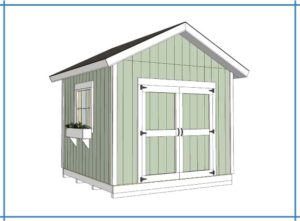
Compact and Affordable 8x6 Shed Plans for the Discerning Gardener
The allure of a dedicated garden shed, a haven for tools and supplies, is undeniable for even the most modest gardening enthusiast. However, the costs associated with professionally built sheds can often prove prohibitive. This comprehensive guide provides detailed plans for constructing a functional and aesthetically pleasing 8x6 shed at a significantly reduced cost, tailored specifically to meet the needs of the discerning gardener.
I. Planning and Design Considerations
Before embarking on construction, meticulous planning is paramount. This phase encompasses several key elements crucial for a successful outcome. Careful consideration should be given to the location, foundation type, and overall design aesthetic to ensure seamless integration with the existing garden landscape.
A. Site Selection and Preparation
The ideal location for your 8x6 shed should offer convenient access to the garden while minimizing disruption to established plantings. Consider factors such as sunlight exposure, proximity to water sources, and ease of access for transporting materials during construction. Once a suitable site has been identified, thorough ground preparation is essential. This includes clearing any vegetation, leveling the ground, and removing any debris or rocks that could compromise the foundation's stability.
B. Foundation Options for Optimal Stability
The foundation forms the bedrock of your shed's structural integrity. Several cost-effective options are available, each with its own set of advantages and disadvantages. A concrete slab provides exceptional durability and stability but requires a higher initial investment. A simpler, and more budget-friendly alternative is a gravel base, which involves laying a compacted layer of gravel followed by a timber frame. Concrete blocks offer a compromise between cost and stability, providing a solid foundation while remaining relatively affordable.
C. Material Selection: Balancing Cost and Durability
The choice of materials significantly influences both the construction cost and the shed's lifespan. Pressure-treated timber is a popular and economical option offering excellent resistance to rot and insect damage. However, responsibly sourced timber should always be prioritized to minimize environmental impact. Consider the use of recycled materials where feasible, such as reclaimed wood for cladding or flooring, to further reduce costs and promote sustainability.
II. Detailed Construction Plans: A Step-by-Step Guide
This section provides a detailed step-by-step guide to constructing your 8x6 garden shed. Accurate measurements and careful attention to detail are crucial throughout the entire process. Refer to accompanying diagrams for visual guidance. For complex joinery, consulting a qualified carpenter might be advisable.
A. Foundation Construction
- Mark the outline: Accurately mark the 8x6 footprint of the shed on the prepared ground using stakes and string.
- Excavate (if necessary): If using a concrete slab or concrete block foundation, excavate to the required depth.
- Lay the foundation: Whether using concrete, gravel, or concrete blocks, ensure a level and stable base. For concrete slabs, allow ample curing time before proceeding.
B. Frame Construction
- Cut the timber: Accurately cut the pressure-treated timber to the required lengths for the base frame, wall studs, and roof rafters, using appropriate joinery techniques.
- Assemble the base frame: Securely join the base frame timbers using appropriate fasteners, ensuring squareness and stability.
- Erect the wall frames: Attach the wall studs to the base frame, ensuring vertical alignment and plumbness. Consider adding bracing for additional stability.
- Construct the roof frame: Assemble the roof rafters and attach them to the wall frames, ensuring appropriate pitch and structural integrity.
C. Cladding and Roofing
- Apply cladding: Attach the chosen cladding material (e.g., shiplap, weatherboarding) to the external wall frames, ensuring proper overlapping for weather resistance.
- Install roofing material: Fix the chosen roofing material (e.g., felt, corrugated iron, asphalt shingles) to the roof frame, ensuring watertightness. Consider adding extra layers for insulation.
- Add finishing touches: Install doors, windows, and any additional features (e.g., vents, shelves) as desired. Apply a suitable sealant to all joints to prevent water ingress.
III. Cost Optimization Strategies
Constructing an affordable shed requires a strategic approach to cost management. By implementing the following strategies, you can significantly reduce overall expenditure without compromising quality or functionality.
A. Sourcing Materials Economically
Explore various sourcing options for construction materials. Reclaimed timber offers substantial cost savings, while buying in bulk from reputable suppliers can lead to significant discounts. Consider utilizing surplus materials from other projects or seeking donations from local builders or demolition sites. Online marketplaces and local classified ads can also be valuable resources for discounted materials.
B. DIY Approach to Labor Costs
The most substantial cost saving comes from undertaking the construction yourself. While requiring time and effort, a DIY approach eliminates labor costs, which can represent a significant portion of the overall budget. However, if your skills are limited, engaging a skilled friend or family member for specific tasks can significantly enhance efficiency while minimizing expense.
C. Prioritize Essential Features
Prioritize essential features and avoid unnecessary additions that inflate costs. Focus on functionality and durability rather than aesthetics. For example, a simple door and window design can significantly reduce material and labor costs compared to more elaborate designs. Postponing non-essential features to a later date allows for budget flexibility and phased construction.
IV. Conclusion
Building your own 8x6 garden shed offers a rewarding and cost-effective solution for gardeners seeking dedicated storage space. By carefully planning, selecting appropriate materials, and implementing efficient construction techniques, you can create a durable and functional shed tailored to your specific needs, representing a significant return on investment in both time and resources. Remember to prioritize safety throughout the process and to adhere to all relevant building regulations.


No comments:
Post a Comment
Note: Only a member of this blog may post a comment.