
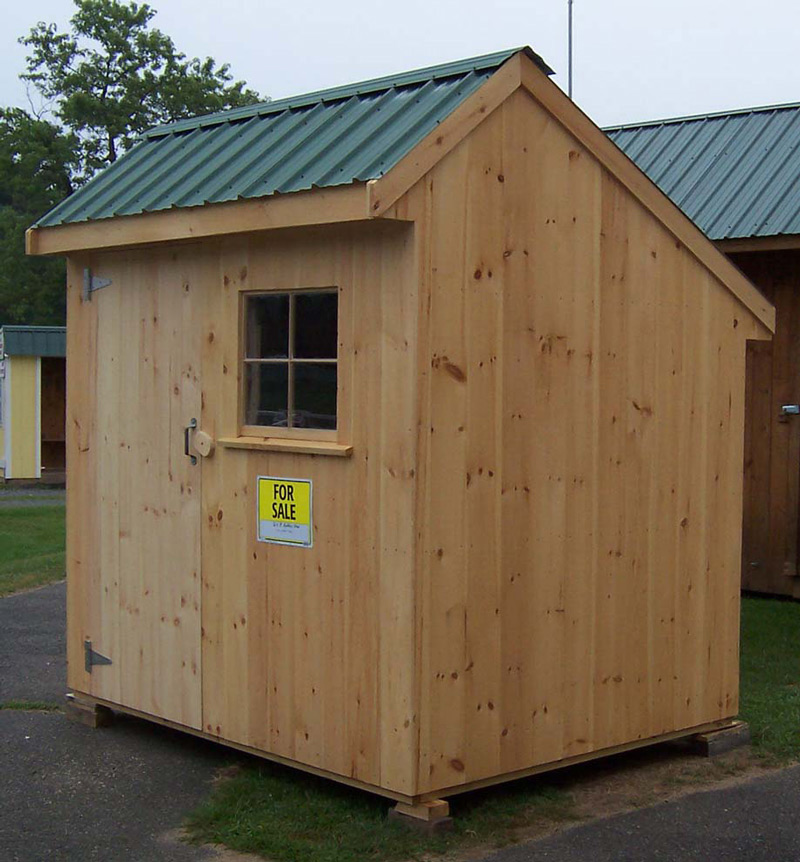
A Comprehensive Guide to Constructing a 6x8 Shed: A DIY Project
This comprehensive guide provides a detailed walkthrough for constructing a 6x8 shed, catering specifically to DIY enthusiasts. While requiring a moderate level of carpentry skill and access to basic tools, this guide emphasizes meticulous planning and execution to ensure a structurally sound and aesthetically pleasing result. This project aims to empower individuals to build their own storage solution, maximizing cost-effectiveness and personal satisfaction.
Phase 1: Planning and Preparation
Thorough planning is the cornerstone of any successful construction project. Failing to adequately prepare can lead to costly mistakes and delays. This section outlines crucial preparatory steps.
1.1 Site Selection and Preparation
Choosing the right location for your shed is paramount. Consider factors such as:
- Accessibility: Ensure easy access for material delivery and future maintenance.
- Sunlight and Shade: Balance sunlight exposure for natural lighting with considerations for shade during extreme heat.
- Drainage: Select a location with adequate drainage to prevent water accumulation around the shed's foundation.
- Local Regulations: Check with your local authorities regarding building permits, setbacks, and other relevant regulations.
Once the location is finalized, prepare the ground. This typically involves clearing vegetation, leveling the area, and potentially compacting the soil for a stable base.
1.2 Material Selection and Procurement
Selecting high-quality materials is vital for the longevity and stability of your shed. Consider the following:
- Pressure-treated Lumber: Opt for pressure-treated lumber for the foundation, framing, and other ground-contact components to resist rot and insect infestation.
- Plywood or OSB Sheathing: Choose exterior-grade plywood or oriented strand board (OSB) for the walls and roof sheathing.
- Roofing Material: Select a roofing material that suits your budget and aesthetic preferences (e.g., asphalt shingles, metal roofing).
- Fasteners: Use galvanized nails and screws to ensure resistance to corrosion.
- Hardware: Procure hinges, handles, and any other necessary hardware.
Create a detailed material list, including quantities, and source these materials from reputable suppliers to ensure quality and consistency.
1.3 Tool Acquisition and Safety Measures
Assemble the necessary tools before commencing construction. This typically includes:
- Measuring Tools: Tape measure, level, square.
- Cutting Tools: Circular saw, hand saw, reciprocating saw.
- Fastening Tools: Hammer, nail gun (optional), drill/driver.
- Other Tools: Shovel, post hole digger (if needed), safety glasses, work gloves.
Prioritize safety throughout the project. Wear appropriate personal protective equipment (PPE), including safety glasses, work gloves, and hearing protection when operating power tools. Ensure the work area is well-lit and free of obstructions.
Phase 2: Foundation and Framing
A solid foundation is crucial for a stable and long-lasting shed. This phase focuses on building the foundation and framing the structure.
2.1 Foundation Construction
Several foundation options exist, including concrete slabs, gravel bases, and pier foundations. For a 6x8 shed, a gravel base or pier foundation is often sufficient and more straightforward for DIY construction. A gravel base involves creating a level compacted gravel bed. A pier foundation involves setting concrete piers at the corners and along the sides of the shed to support the floor framing.
2.2 Floor Framing
Once the foundation is complete, construct the floor frame using pressure-treated lumber. This typically involves laying down pressure-treated beams as joists, spaced appropriately (typically 16 inches on center), and secured to the foundation. Add cross-bracing for added strength and stability.
2.3 Wall Framing
Construct the wall frames using pressure-treated lumber, creating rectangular frames for each wall section. Ensure the frames are square and plumb using a level and square. Attach sheathing to the wall frames once they are assembled and properly braced.
2.4 Roof Framing
The roof framing involves constructing rafters and attaching them to the top plates of the wall frames. The design can be a simple gable roof or a more complex style. Properly securing the rafters is critical for the roof's structural integrity. Consider using ridge boards and purlins for added stability.
Phase 3: Exterior Finishing and Roofing
This phase focuses on completing the exterior of the shed, including the roofing.
3.1 Sheathing and Exterior Cladding
Attach exterior-grade plywood or OSB sheathing to the walls and roof frames. This provides a solid surface for the exterior cladding. Ensure the sheathing is properly fastened and aligned.
3.2 Roofing Installation
Install the chosen roofing material according to the manufacturer's instructions. This may involve applying underlayment, installing shingles or metal roofing panels, and ensuring proper flashing around vents and other penetrations.
3.3 Exterior Trim and Finishing
Add exterior trim to enhance the shed's appearance and provide protection against the elements. This typically includes adding fascia boards, soffit, and corner boards. Consider painting or staining the exterior for added protection and aesthetics.
Phase 4: Interior Finishing and Accessories
This final phase focuses on the interior finishing and adding any desired accessories.
4.1 Interior Wall Finishing
Depending on your preferences, you may choose to leave the interior walls unfinished or apply drywall, paneling, or other finishes. This will improve the shed’s aesthetics and protect the structure from the elements.
4.2 Door and Window Installation
Carefully install the door and windows, ensuring proper alignment and functionality. Use appropriate weatherstripping to prevent drafts and water infiltration.
4.3 Shelving and Storage Solutions
Install shelving and other storage solutions to maximize the shed's storage capacity. Consider the types of items you will be storing when designing the shelving.
Conclusion
Constructing a 6x8 shed is a rewarding DIY project that can significantly enhance your property. By meticulously following the steps outlined in this guide and prioritizing safety and quality, you can successfully build a durable and functional storage solution. Remember that accuracy and patience are key throughout the entire construction process. Consult additional resources and seek advice when needed to ensure a successful outcome.


No comments:
Post a Comment
Note: Only a member of this blog may post a comment.