
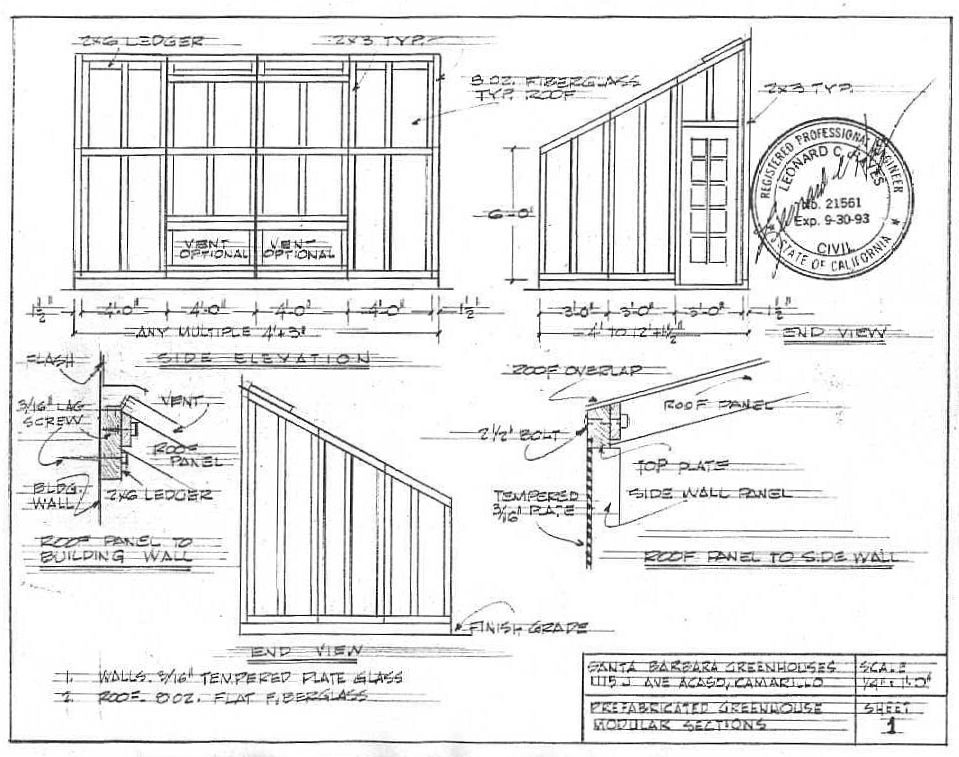
Constructing a Robust and Reliable 8x6 Shed: A Comprehensive DIY Guide
This comprehensive guide details the construction of a durable and reliable 8x6 shed, suitable for various storage needs. The instructions are designed for DIY enthusiasts with basic carpentry skills and access to necessary tools. While aiming for simplicity, attention to detail is crucial for ensuring structural integrity and longevity. Safety precautions should be observed throughout the entire building process.
I. Planning and Preparation
Before commencing construction, meticulous planning is paramount. This phase encompasses several key steps crucial for a successful project.
A. Site Selection and Preparation
Choosing the appropriate location for your shed is the first critical decision. Consider factors such as proximity to power sources (if needed), accessibility, drainage, and sunlight exposure. Once the location is determined, the ground must be properly prepared. This involves clearing vegetation, leveling the ground, and potentially compacting the soil to provide a stable foundation. For an 8x6 shed, a level surface is particularly important to avoid structural instability.
B. Material Acquisition and Budgeting
Accurate material estimation is vital to prevent unnecessary costs and delays. Prepare a detailed list of materials, including:
- Pressure-treated lumber (4x4 posts for the base, 2x4s for framing, 2x6s for floor joists and rafters)
- Plywood or OSB for sheathing (walls and roof)
- Roofing material (e.g., asphalt shingles, metal roofing)
- Concrete blocks or a concrete slab for the base
- Exterior siding (e.g., vinyl, wood)
- Fasteners (nails, screws, bolts)
- Door and window frames (optional)
- Exterior paint or sealant
Obtain accurate pricing from local suppliers and create a detailed budget, factoring in potential unforeseen expenses. Consider purchasing materials in bulk for potential cost savings.
C. Tool Acquisition and Safety
Ensure you possess the necessary tools for the project. This includes:
- Measuring tape
- Level
- Shovel
- Post hole digger (or auger)
- Circular saw
- Drill with various drill bits
- Hammer
- Safety glasses
- Work gloves
- Hearing protection
Prioritize safety throughout the construction process. Wear appropriate personal protective equipment (PPE) at all times. If unsure about any aspect of the construction, seek advice from a qualified professional.
II. Foundation Construction
A solid foundation is critical for the longevity and stability of the shed. This section details the construction of a concrete block foundation; alternatively, a concrete slab can be used.
A. Concrete Block Foundation
1. Excavation and Leveling: Dig holes for the concrete blocks, ensuring the depth is sufficient to account for the height of the blocks and the frost line in your region. Level the base of each hole carefully.
2. Block Placement: Place the concrete blocks in the holes, ensuring they are level and plumb. Use a level to verify the alignment of each block. Consider using a spirit level for greater accuracy.
3. Grout and Reinforcement: Fill the gaps between blocks with grout or mortar to ensure stability. Consider adding rebar or other reinforcing elements to the foundation for added strength, particularly in areas prone to harsh weather conditions.
B. Concrete Slab Foundation
For a concrete slab foundation, the process is slightly different. 1. Excavation and Formwork: Excavate to the desired depth and create formwork using plywood or other suitable material. 2. Base Preparation: Compact the base thoroughly and install a layer of gravel for drainage and stability. 3. Concrete Pouring: Pour the concrete and use a screed to achieve a level surface. Allow sufficient time for curing before proceeding with the frame construction.
III. Frame Construction
The frame constitutes the skeletal structure of the shed. Precision and accuracy are vital during this phase.
A. Floor Joist Installation
Install 2x6 floor joists onto the concrete blocks or slab, ensuring they are properly spaced and securely fastened. Use appropriate fasteners and check for levelness throughout the installation process.
B. Wall Framing
Construct the wall frames using 2x4 studs, ensuring proper spacing and alignment. Attach the frames to the floor joists using appropriate fasteners. Ensure the frames are plumb and square. This involves using a level and measuring diagonally to verify squareness.
C. Roof Framing
Construct the roof rafters using 2x6 lumber. The roof design can be either a gable or a shed roof. Ensure the rafters are properly spaced and securely attached to the wall frames. Consider using metal brackets or hurricane straps for additional structural support, especially in areas prone to high winds.
IV. Sheathing and Roofing
Sheathing provides a solid surface for the exterior siding and roofing materials.
A. Wall Sheathing
Attach plywood or OSB sheathing to the wall frames, ensuring proper alignment and fastening. Use galvanized nails or screws and ensure the sheathing is properly sealed to prevent moisture ingress.
B. Roof Sheathing
Attach plywood or OSB sheathing to the roof rafters, ensuring proper alignment and fastening. Use galvanized nails or screws and ensure the sheathing is properly sealed to prevent moisture ingress.
C. Roofing Installation
Install the chosen roofing material according to the manufacturer's instructions. Ensure proper ventilation to prevent moisture buildup. For asphalt shingles, use appropriate underlayment and follow the shingle manufacturer's specifications for overlapping.
V. Exterior Finishing and Interior Work
The final stages involve completing the exterior finish and any desired interior work.
A. Siding Installation
Install the chosen exterior siding, ensuring proper overlap and fastening. Use appropriate sealant to prevent water damage.
B. Door and Window Installation (Optional)
Install doors and windows if desired, ensuring proper fitting and sealing to prevent drafts and moisture infiltration.
C. Interior Finishing
Complete any desired interior finishing, such as painting, insulation, and flooring.
VI. Final Inspection and Maintenance
Upon completion, conduct a thorough inspection of the entire structure to identify and rectify any issues. Regular maintenance, including cleaning and repairs, is crucial to extend the lifespan of the shed.
This comprehensive guide provides a detailed framework for building an 8x6 shed. Remember to always prioritize safety and consult with professionals if you encounter any difficulties. With careful planning and execution, you can successfully build a durable and reliable shed to meet your storage needs.


No comments:
Post a Comment
Note: Only a member of this blog may post a comment.